
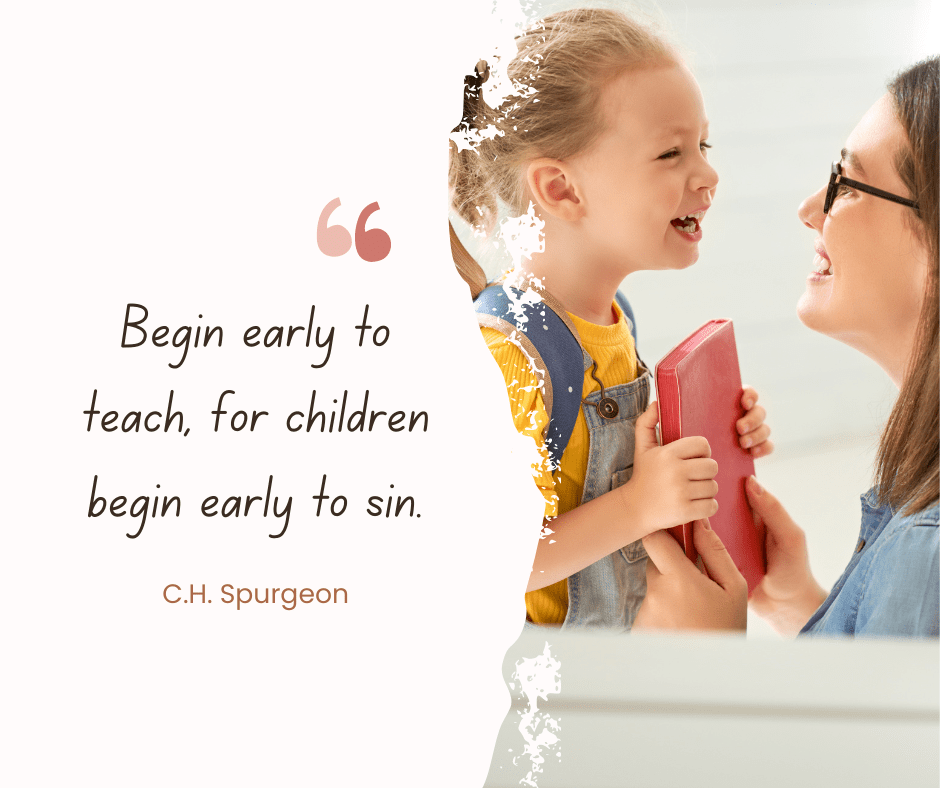
Life is made up of seasons. There is never a time when we don’t need wisdom at all, but I can remember a time in my life when I needed the wisdom of God every single day – the season of raising children!
Parenting is hard work. There’s very little “on-the-job” training unless you’ve been an older sibling with lots of responsibility for little brothers and sisters. Most of us get thrown into it without any preparation, other than a few tidbits of wisdom written on notecards at the baby shower. Thousands of books have been written on the art of parenting, but unless they are based on scripture, we’d be better off throwing them out and going by instinct and the example of our parents and grandparents (whether that’s what to do, or not to do!).
The best source of wisdom for parenting is written by the perfect Father. The Word of God is filled with instructions, advice, commands, and warnings on how to raise our children. He tells us what we need to teach them, how to discipline them, and what to expect of them. And He has given us much wisdom to take to our own hearts, to make us better parents.
Proverbs 13 continues the comparisons and contrasts of the upright or righteous, and the wicked, but I found three verses in this chapter that I believe are “gold” for parents.
Proverbs 13:10 – Through insolence comes nothing but strife, but wisdom is with those who receive counsel.
One of the hardest stages in parenting is when your teenager (or preteen) begins to think of themselves as your equal. Growing up and transitioning into young adults is normal, and there needs to be lots of grace in your home as children begin to discover who they are, and who they want to become. But when that growth spills over into insolence, as parents, we need to sharply curtail that attitude.
Think about the source of strife in your home. It is when a child speaks or acts without respect for the parent. The Hebrew word translated as insolence is zāḏôn, signifying pride, insolence, presumptuousness, or arrogance. Insolence is pride or haughtiness manifested in rude, contemptuous, or overbearing treatment of others.
Teaching our children to respect us and the other authorities in their lives (teachers, law enforcement, supervisors, and the spiritual mentors who invest in them) begins when they are little. How often do we think a “sassy” two-year-old is cute? While we can laugh when they’ve left the room, as parents, we need to be diligent to help them understand respect, and require it of them, in love and grace and kindness. Children need to learn they do not have the freedom to talk back in an insolent, prideful way. If they learn this early, and you develop an atmosphere of respect for one another, your home will be a happier, less stressful or strife-filled place. Insolent pride is not cute at any age.
Proverbs 13:20 – He who walks with wise men will be wise, but the companion of fools will suffer harm.
Without diligent supervision, your child is open to untold influences. When our girls were young, it was very very rare if we let them spend any lengthy time in another family’s home. We had very few close family friends with whom they could spend the night. We wanted to know who they were with, where they were going, and what they would be doing. As they got older and had more freedom, we still limited their interactions with people we did not know well.
Your child’s friends, especially as they become teenagers, will have far more time with and influence over them than you will. Teach them to walk with wise people. Help them learn to choose their close friends wisely, and do not assume they know best. Never underestimate the power of peer influence.
Proverbs 13:24 – He who withholds his rod hates his son, but he who loves him disciplines him diligently.
The word for rod is šēḇeṭ. It can refer to a literal rod, a stick, or a branch, but it also is used as a symbol of authority, such as a scepter. Discipline is mûsār, meaning to chasten or correct. Of the fifty times this word is used, thirty are translated as “instruction” and eight as “correction.”
This verse is not saying we should beat our children to correct them. While I believe there are times when a pop on a young child’s rear end is appropriate, the sense of this verse is that of teaching and instructing, not simply physical discipline.
I endured my share of spankings as a child (mostly for things I’m sure my brother instigated!). My mother kept a switch on the top of the refrigerator. Insolence was certainly addressed in our home, and I developed a healthy respect for authority. I think I turned out okay, but that’s not to say that we disciplined our children in the same way.
Every child has a different personality and won’t respond to the same type of discipline. A parent’s greatest challenge is to learn what works and what doesn’t, keeping in mind that stopping an immediate behavior isn’t the end goal. The point of discipline is to help our children learn to make better choices… right choices. What we can’t do is leave them to their own faulty thinking and wayward hearts. If we do not discipline our children, we do not love them.
One final thought. The saying goes, more is “caught” than “taught.” If we want our children to absorb and live by wisdom such as this, we need to model it ourselves, not just require it of them. Do we speak respectfully to our children, and do they hear us being respectful of others? Do we choose our friends wisely, being careful who we allow to influence our own hearts? Do we make the right choices, and accept and respond to the Father’s loving discipline when we have gone astray? As parents, we can have great influence simply by practicing what we preach to our children.
Teach your child to speak and act respectfully.
Teach your child to choose his friends wisely.
Teach your child to make right choices.
What good wisdom from God’s Word for today! What would happen in your home if you took it to heart?
 The Way Of The Word