
I woke up this morning reflecting on the scripture I read yesterday and the blog that resulted from it. I believe this is God’s way of telling me to revisit this passage and bring the lessons from Saul’s life a little closer to home.
1 Samuel 13-15 left us with a pretty broad application point. Even as a follower of Jesus, my pride can lead me astray. I can make decisions based on a faulty premise: “I know better than God.” While this is a noble idea to consider, let’s make it practical. Do we truly believe we know better than God? Surely not!
Maybe?
Three scenarios come to mind that parallel the actions Saul took in our scripture passage—actions that cost him the blessing of the kingdom. Let’s dive right in.
In the first event, Saul took what didn’t belong to him, believing the rules didn’t apply to him. God had given the children of Israel specific laws regarding sacrifices. It was Samuel’s responsibility to offer the burnt sacrifice, but Saul grew impatient. He couldn’t wait for God’s ways or plan, thinking he knew better. This attitude is evident not only among those who do not know God but is also prevalent among believers in the now commonly accepted practice of couples living together without marriage.
This is not a “gray” area. Don’t take my word for it; take God’s.
1 Corinthians 6:9-10 – Or do you not know that the unrighteous will not inherit the kingdom of God? Do not be deceived; neither fornicators, nor idolaters, nor adulterers, nor effeminate, nor homosexuals, nor thieves, nor the covetous, nor drunkards, nor revilers, nor swindlers, will inherit the kingdom of God.
Hebrews 13:4 – Marriage is to be held in honor among all, and the marriage bed is to be undefiled; for fornicators and adulterers God will judge.
Fornicator and adulterer are powerful words. The Greek word is pornos, which refers to unlawful sexual conduct, including prostitution or consensual sex outside of marriage. Fornication generally pertains to the unmarried, while adultery pertains to those married to others. God’s stance on sexual sin is clear: we are not to defile ourselves by taking what is not ours.
But that’s so old-fashioned!
But we’re committed to one another so it’s like we’re married!
But it makes more sense financially!
But we plan to get married!
What blessings of the kingdom do we forfeit because we think we know better than God? Will we give up the eternal kingdom entirely?
In the second event, Saul sought to win a battle by asserting his physical authority and power. He believed that appealing to his men’s physical needs (their hunger and desire to eat) would motivate them to fight more valiantly. He thought that if they could summon a strong will, they could overcome the enemy. Saul relied on the flesh instead of the Spirit, mistakenly thinking he knew better than God.
Romans 8:3-6 – For what the Law could not do, weak as it was through the flesh, God did: sending His own Son in the likeness of sinful flesh and as an offering for sin, He condemned sin in the flesh, so that the requirement of the Law might be fulfilled in us, who do not walk according to the flesh but according to the Spirit. For those who are according to the flesh set their minds on the things of the flesh, but those who are according to the Spirit, the things of the Spirit. For the mind set on the flesh is death, but the mind set on the Spirit is life and peace.
This is too broad a topic to explore in a few paragraphs, but here are some ways we act like Saul and walk by our flesh.
We “know” God only by what others say about Him. We seldom encounter Him personally in the pages of our Bibles. We think we can walk in the Spirit without time spent in His Word or in prayer. We possess a little knowledge but lack spiritual power, which is gained only through prayerful study of the Word and conscious, intentional walking and abiding with our Savior.
It’s ironic, isn’t it? We think we know better than God because we do not really know God!
Finally (I know you’re saying finally!), Saul openly disobeyed God’s command because he thought he had a better idea. Surely those animals would be better put to use as sacrifices, not just destroyed! Surely Agag deserved a bit of mercy. After all, God is a merciful God. He didn’t—couldn’t—really mean what He said!
There are a lot of ways this attitude applies to both believers and non-believers, but let’s talk to the family first. Have you said it…or heard it said…I’m not going to church right now…because…
I’ve been hurt by the church.
I can’t find a church I like.
I am in church—I watch online.
I’m looking for a church. No, I really am! It’s just taking a lot longer than I thought!
Hebrews 10:23-25 – Let us hold fast the confession of our hope without wavering, for He who promised is faithful; and let us consider how to stimulate one another to love and good deeds, not forsaking our own assembling together, as is the habit of some, but encouraging one another; and all the more as you see the day drawing near.
The local church is one of God’s BEST ideas, and I can guarantee we can’t come up with a better one. Being an active part of the body of Christ is not just a suggestion. All the apostles emphasized the importance of gathering together, and Jesus set the example by regularly attending the synagogue during His earthly ministry. He also sent the Holy Spirit ten days after He ascended to heaven to establish His church.
To dismiss, ignore, or underestimate the importance of the church in your personal walk with Christ reflects a Saul-like attitude, as if you believe you have a better idea than God.
Why are we talking about such personal things? Why couldn’t we just leave yesterday’s lesson alone?
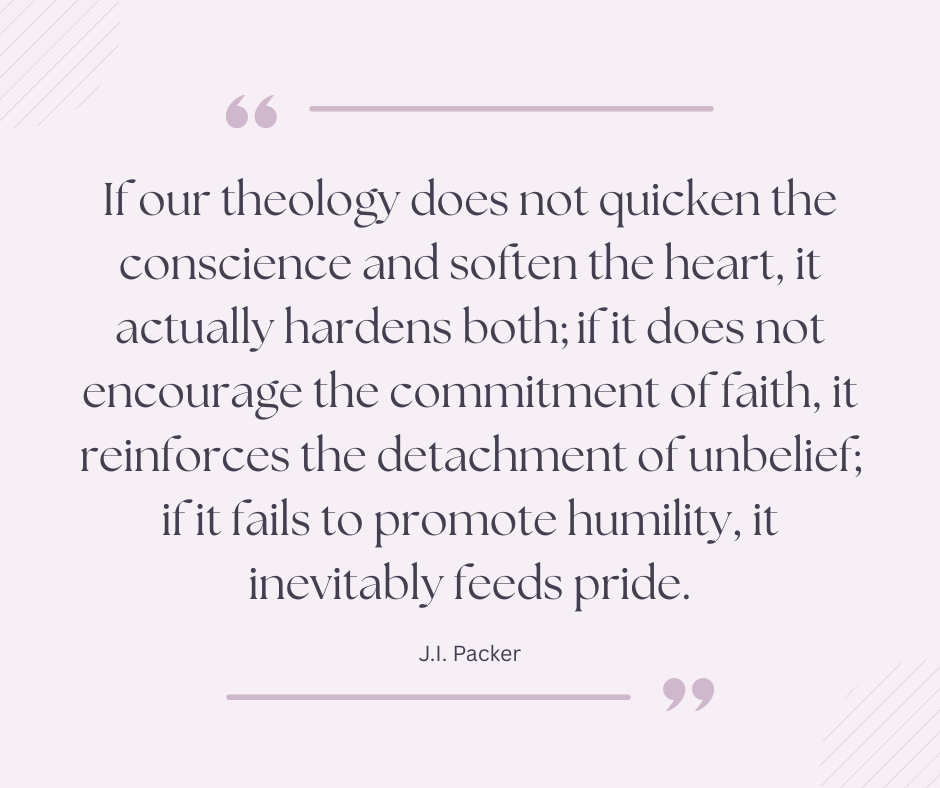
Unless we ask God to help us apply the lessons, we have only gained a bit of knowledge about other people in history. When we think of Saul, we don’t just want to remember the first king of Israel who was taller and more handsome than others and had a few issues. We want God to remind and convict us when we are acting in the spirit of Saul instead of the Spirit of Christ.
Do you think you know better than God?
Are you sure?
 The Way Of The Word